
Welcome to MALICIA AS A GAME OF POWER. This blog series aims to delve deep into the realm of Strategy. Throughout the series, we will explore various aspects of dealing with certain people, offering insights on effective communication, conflict resolution, and building meaningful connections. Additionally, we will provide valuable tips on avoiding scammers, protecting oneself from online fraud, and maintaining a secure online presence.
Navigating this world that we live in can be challenging, and in this series, we will share practical guidance on making informed decisions, embracing opportunities, and overcoming obstacles on the path to success. Whether it’s understanding the nuances of negotiation, learning to identify manipulation, or honing your leadership skills, this series will equip you with the knowledge and tools to thrive in the complex landscape of interpersonal dynamics and strategic decision-making. We will also delve into the intricacies of personal branding, self-presentation, and managing one’s online reputation, empowering you to craft a compelling personal and professional image in today’s interconnected digital world. Join us on this insightful journey as we unravel the complexities of power dynamics and strategic maneuvering, arming you with the expertise to navigate the intricate web of relationships and opportunities, and emerge victorious in your pursuits.
In this installment, We will explore the 6th law of power in the book, the 48 laws of power by Robert Greene. You can but a copy by clicking HERE.
The sixth law (law 6) of the 48 Laws of Power is: Court attention at all cost. Ethical variant of the law: Attract the right kind of attention by providing value in any situation.
But what is ‘the right kind’ of attention? Well, let’s explore that question.
Don’t be misled, all attention are not equal so be very CAREFUL. Court ATTENTION At All Costs. It’s important to understand that different types of attention can have varying impacts on your goals. While some attention may be fleeting and inconsequential, other types may hold significant influence and power. It’s crucial to carefully consider the kind of attention you seek to attract, as the wrong type of attention could potentially lead to negative outcomes. Additionally, understanding the audience you are targeting is essential, as different demographics may respond to different types of attention-grabbing strategies. Therefore, it is necessary to strategize and tailor your approach to effectively capture the attention that aligns with your objectives.
Therefore, it is crucial to discern which forms of attention are worth pursuing and which ones are best to avoid. In the pursuit of success and influence, being selective about the attention you seek can make a substantial difference in your outcomes. This selectivity involves considering not only the quantity but also the quality of attention. By focusing on meaningful interactions and engagements, individuals can cultivate a more authentic and impactful presence. Additionally, seeking attention that aligns with personal values and long-term goals can contribute to a more fulfilling and sustainable path to success. In a world filled with constant distractions, honing the ability to prioritize attention can lead to more meaningful connections and lasting contributions.
JOGO DE MAO, THE USE OF YOUR HANDS IN CAPOEIRA
Usually, when talking about the use of hands in Capoeira Angola, they’re usually talking about the chamada, a crucial element of this traditional Afro-Brazilian martial art.
The chamada, or “call,” is a movement that embodies a unique blend of strength and elegance, requiring precise coordination and rhythm. It serves as a form of communication between practitioners, signifying a moment of respect and mutual understanding within the roda. The hands, in this context, become a means of expression, conveying both intention and respect, and adding a dynamic layer of interaction to the ritualistic aspect of Capoeira Angola.
But we’ll talk more about that in another post.
Although it is less known, capoeira includes a variety of hand strikes. Traditionally, hand strikes were rarely used in capoeira, the mythological reasoning behind this being that the shackles and chains of the slaves prevented this. However, punches, elbows, and slaps have always existed in street rodas and in actual combat all over Brazil.
In Capoeira Angola, these strikes are not only showcased but also accompanied by intricate footwork, filled with swift gestures and feints, creating an intense and electrifying atmosphere in the roda. The angoleiros display remarkable control and agility as they navigate the circle, mesmerizing spectators with the fluid movements of their arms, hands, and elbows, which simulate the use of a knife or straight razor in a mesmerizing display known as “jogo de mao” (hand game). This traditional art form is a captivating blend of ritual, dance, and martial arts, reflecting the rich cultural heritage and history of the Afro-Brazilian community.
This game represents a swinging and waving of hands to diminish any perception of an attack and lower the opponent’s guard.
In Capoeira Regional, which prioritizes combat over ritual, hand strikes like the galopante are often executed fully. This emphasis on combat effectiveness is reflected in the dynamic movements and swift transitions characteristic of this style. Additionally, practitioners of Capoeira Regional often focus on developing agility, strength, and coordination to enhance their performance during intense sparring sessions. The galopante is just one example of the powerful techniques utilized in this martial art, showcasing the blend of tradition and practical application that defines Capoeira Regional.
These hand strikes not only demonstrate the diversity and complexity of capoeira but also contribute to its artistic expression and combative nature, showcasing the dynamic fusion of dance, ritual, and self-defense within this unique martial art form. The fluidity of movement, the mesmerizing rhythm of the music, and the intricate footwork all come together to create a captivating spectacle that embodies the rich cultural history and deep-rooted traditions of this Afro-Brazilian martial art. The interplay between the acrobatic maneuvers and the percussive beats of the berimbau further accentuates the multifaceted nature of capoeira, making it a truly holistic experience that encompasses physical, spiritual, and cultural elements.
MALICIA AS A GAME OF POWER (8/20/24)
Welcome to MALICIA AS A GAME OF POWER. This blog series aims to delve deep into the realm of Strategy. Throughout the series, we will explore various aspects of dealing with certain people, offering insights on effective communication, conflict resolution, and building meaningful connections. Additionally, we will provide valuable tips on avoiding scammers, protecting oneself from online fraud, and maintaining a secure online presence.
Navigating this world that we live in can be challenging, and in this series, we will share practical guidance on making informed decisions, embracing opportunities, and overcoming obstacles on the path to success. Whether it’s understanding the nuances of negotiation, learning to identify manipulation, or honing your leadership skills, this series will equip you with the knowledge and tools to thrive in the complex landscape of interpersonal dynamics and strategic decision-making. We will also delve into the intricacies of personal branding, self-presentation, and managing one’s online reputation, empowering you to craft a compelling personal and professional image in today’s interconnected digital world. Join us on this insightful journey as we unravel the complexities of power dynamics and strategic maneuvering, arming you with the expertise to navigate the intricate web of relationships and opportunities, and emerge victorious in your pursuits.
In this installment, We will explore the 5th law of power in the book, the 48 laws of power by Robert Greene. You can but a copy by clicking HERE.
The fifth law (law 5) of the 48 Laws of Power is:
So much depends on reputation, guard it with your life. Ethical variant of the law: So much depends on your reputation, that’s right. But, build one based on good works and there’s no need to guard it. False attacks will be quickly brought into the light and destroyed.
Your competitors and enemies will try to use your reputation against you. How do you deal with this?
Reputation plays a crucial role in various aspects of our lives, influencing how others view and interact with us. Beyond affecting our personal and professional relationships, our reputation also impacts our opportunities and success. It is a multifaceted concept that is shaped by our behavior, integrity, and the way we handle challenges. When a reputation becomes tainted, whether due to a specific incident or a series of missteps, the consequences can be far-reaching. However, with dedication and the implementation of strategic measures, it is possible to gradually mend a damaged reputation and regain the trust and respect of others. This process often involves consistent and genuine efforts to demonstrate positive change, as well as a willingness to acknowledge past mistakes and take responsibility for them. Through honest communication and a commitment to integrity, individuals can effectively rebuild their reputation and strive towards a positive future.
It involves consistent and genuine efforts to demonstrate integrity, accountability, and reliability in both personal and professional spheres. This can include being transparent in communication, upholding ethical standards, and being responsible for one’s actions and decisions. Additionally, engaging in acts of goodwill such as volunteering, supporting charitable causes, and helping others in need, and displaying a commitment to self-improvement through continuous education, skill development, and personal growth, can play a significant role in shaping a more favorable perception. It is important to understand that a strong reputation is not just about how others view us, but also about the trust and credibility we earn in our interactions, the positive impact we create, and the principles we stand by. Building and maintaining a reputable image requires consistent dedication, ethical behavior, and genuine intentions, which ultimately contribute to fostering positive relationships and opportunities.
This is why it is crucial to invest in maintaining a reputation that aligns with our true character and values. Though reputation is often tied to external perceptions, it ultimately reflects the essence of who we are and the impact we have on the world around us. Building and upholding a positive reputation requires consistent effort and dedication. It involves not only how we present ourselves in public, but also the sincerity and integrity with which we conduct ourselves in all aspects of life. Our reputation precedes us in interactions with others and can significantly influence opportunities and relationships. It is a testament to our behavior and the values we uphold, shaping the way we are perceived and the trust that is placed in us. Therefore, nurturing our reputation is an ongoing commitment to embodying our true beliefs and ensuring that our actions consistently mirror our inner principles.
The 6th Law of Power, Through the Eyes of an Angoleiro: Conceal Your Intentions
The title “The 6th Law of Power, through the eyes of an Angoleiro” suggests a deep dive into Robert Greene’s 48 Laws of Power, specifically Law 6: “Create an air of mystery” or, more directly, “Conceal Your Intentions.” This exploration will interpret this Machiavellian principle through the unique cultural and practical lens of Capoeira Angola, the traditional, more grounded, and strategic form of the Afro-Brazilian martial art.
I. The Law: Conceal Your Intentions
In the context of the 48 Laws of Power, Law 6 dictates that one must never reveal the true aim behind their actions. By keeping opponents and rivals in the dark, they cannot prepare a defense, and their focus remains scattered, allowing the strategist to strike with surprise. This translates to an overall sense of unpredictability and strategic depth.
II. The Angoleiro’s Philosophy: Malandragem and Mandiga
The Angoleiro—a practitioner of Capoeira Angola—lives by principles that perfectly embody this law, though they use different terminology:
- Malandragem (Street Smarts/Cunning): This is the ability to navigate the roda (the circle where Capoeira is played) and life with cunning and clever misdirection. A true malandro never shows his full hand. His movements are ambiguous, his glances fleeting, and his rhythm constantly shifting. He might appear relaxed, even sloppy, only to explode into a precise, devastating movement (cabeçada or rasteira). His intentions are cloaked in a performance of playfulness.
- Mandiga (Mystical Power/Charm): Mandiga refers to the almost magical, deceptive quality an Angoleiro cultivates. It is the aura of unpredictability and subtle threat. When playing in the roda, the Angoleiro uses the slow, low game to mask his true objective. Is he merely rocking (ginga), or is he setting up a complicated trap? Is the smile genuine, or a distraction from the impending takedown? The mandiga is the psychological tool that conceals the physical intent.
III. Application in the Roda
For the Angoleiro, the roda is a microcosm of life’s strategic battles. The execution of Law 6 is evident in:
- The Ginga as a Veil: The slow, fluid, pendulum-like motion of the ginga is the Angoleiro’s primary tool for concealment. It is not just a defensive position; it is a hypnotic rhythm that disguises shifts in weight, changes in speed, and the preparation for attacks. The opponent focuses on the hypnotic sway, missing the moment the foot plants for a powerful sweep.
- The Low Game (Jogo de Chão): Capoeira Angola is played predominantly close to the ground. This low posture inherently obscures intention. When an Angoleiro descends into a near-crawling position (rolê, queda de quatro), the options are vast: a sweep, a leg grab, a headbutt, or a quick spring back up. The opponent cannot commit to a defense because the attack vector is hidden by the proximity to the earth.
- The Economy of Movement: The Master (Mestre) often uses minimal, seemingly effortless movements that carry maximum power. An inexperienced eye sees hesitation; the true Angoleiro sees conserved energy and a perfectly concealed setup. By not executing flashy or unnecessary maneuvers, the Angoleiro’s reserves and true striking power remain unknown until the moment of impact.
IV. The Strategic Advantage
The ultimate purpose of concealing intentions, both in the 48 Laws of Power and in the roda of Capoeira Angola, is psychological dominance.
When an Angoleiro successfully employs this strategy:
- The Opponent is Paralyzed: Fear and uncertainty cause hesitation. The Angoleiro’s rival wastes precious time trying to decipher the puzzle, allowing the malandro to control the tempo of the game.
- Energy is Conserved: While the rival expends mental energy attempting to anticipate, the Angoleiro remains calm, executing only necessary, focused movements.
- Surprise Becomes the Weapon: The most effective takedown is the one that is never seen coming. By concealing the intent until the last possible moment, the Angoleiro turns the element of surprise into a devastating, unavoidable attack.
Thus, “The 6th Law of Power, through the eyes of an Angoleiro” is not a cold, detached strategy of pure calculation, but a rich, complex art of embodied cunning. It is a philosophy where the physical self becomes the primary instrument of deception and control. The music, the call-and-response of the canto and the hypnotic pulse of the berimbau, dictates more than just the rhythm of the game; it is an auditory veil that masks true intent. The graceful, low dance—the fluid ginga—is the visual distraction, the elaborate choreography that draws the opponent’s eye away from the true strike or trip being prepared.
In this Angolan interpretation, the law is wholly integrated into the Capoeira roda. Every movement is a double-entendre: a show of respect is also a measure of the opponent’s reach; a moment of playful vulnerability is an invitation to overextend. The aesthetic beauty is inseparable from the tactical genius; the flow and effortless appearance are themselves the most powerful weapon. It is an art where the illusion of peace and joyous movement is, in fact, an utterly lethal veil, ensuring that the Angoleiro maintains the ultimate power: the element of surprise cloaked in undeniable beauty. The mastery lies in the ability to make the opponent admire the trap even as they step into it.
MAMA AFRICA, What’s your name?
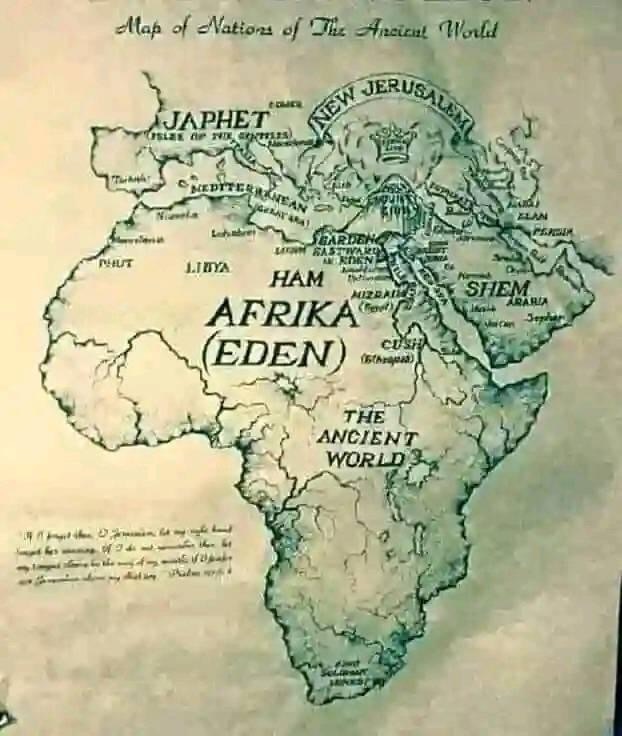
The word ‘Africa’ came into existence in the late 17th century, when European explorers and colonizers began to extensively map and document the various regions of the continent. Initially, it only referred to the northern part of the continent, but over time, as exploration and trade expanded, the name came to encompass the entire landmass. The colonization of Africa during this period had a profound impact on its history and culture, as the Europeans imposed their rule and exploited the continent’s resources and people. This era also marked the transatlantic slave trade, during which millions of Africans were forcibly taken from their homeland and transported to other continents as slaves. The influence of European powers led to a significant shift in identity, with the indigenous name Alkebulan being replaced by the current term ‘Africa’. The complex and tumultuous history of the continent during this period continues to shape its present-day society and global relationships.
So, what was the original name of africa?
Ancient names of Africa
Before the European settled for the word Africa, the continent was called many other names. They include Corphye, Ortigia,Libya, and Ethiopia, Alkebulan
Other names such as the land of Ham (Ham means dark skins), mother of mankind, the garden of Eden, Kingdoms in the sky, and the land of cush or kesh (referring to the Cushites who were ancient Ethiopian) were used. No one knows the source of the names for sure, and the mystery surrounding the origins of these names adds to the intrigue of the continent. However, the theories below shed some light on how this second largest continent got its new name. Some theories propose that the name “Africa” may have its roots in the ancient Phoenician language, while others suggest it could be derived from the Greek word “aphrike,” meaning without cold. Another theory links it to the Latin word “aprica,” meaning sunny. These diverse theories reflect the complex and diverse history of the continent, leaving plenty of room for continued research and exploration.
Roman theory
Some scholars believe that the word “Africa” originated from the Romans. According to this theory, Romans discovered a land opposite the Mediterranean and named it after the Berber tribe residing within the Carthage area, presently referred to as Tunisia. The tribe’s name was Afri. This ancient etymological link between the name “Africa” and the Afri tribe has sparked extensive debate among historians and linguists. While some support this theory, others propose alternative origins for the term “Africa,” underscoring the complex and multifaceted history of the continent and its name. Regardless of its precise origins, the name “Africa” carries with it a rich tapestry of cultural, historical, and geographical significance, embodying the diversity and resilience of the people and landscapes that have shaped this vast and captivating continent.
Weather theory
Some scholars argue that the name Africa might also have connections to the ancient Egyptian word “af-rui-ka,” meaning “to turn toward the opening of the Ka,” the ancient Egyptian spiritual concept regarding the soul’s journey. This interpretation suggests that Africa could mean “the land of the soul’s journey.” Additionally, the term “aphrike” could be linked to the ancient Berber word “ifri,” referring to caves or caverns, which were significant in the North African landscape. This multifaceted origin of the name Africa underlines the diverse cultural and historical influences that have shaped the continent over millennia.
Africus Theory
This claim suggests that the continent derived its name from Africus, a Yemenite chieftain who, according to some accounts, led an invasion of the northern region during the second millennium BC. Some historical sources argue that after his successful conquest, Africus settled in the newly acquired territory and bestowed upon it the name Afrikyah. This narrative has sparked debates among scholars, with some advocating for alternative theories regarding the origin of the continent’s name. Despite the lack of consensus, the story of Africus and the naming of Afrikyah continues to be a subject of interest and inquiry in the study of African history and etymology.
Phoenician Theory
Another school of thought suggests that the name “Africa” is derived from two Phoenician words: friqi and pharika. The words are believed to mean corns and fruits when translated. Hypothetically, the Phoenician traders and explorers christened the continent as the land of corns and fruits due to the rich agricultural resources they encountered during their travels. This theory is fascinating because it provides a glimpse into the ancient origins of the name and the possible perceptions of the continent by early visitors. It offers a unique perspective on the historical interaction between different cultures and the way in which geographical features and resources were perceived and interpreted in ancient times.
Alkebu-lan, often regarded as the “mother of mankind” or “garden of Eden,” holds significant historical and cultural importance. This ancient term, of indigenous origin, carries with it a rich heritage that dates back to the ancient civilizations of Africa. It was revered and used by various ancient societies including the Moors, Nubians, Numidians, Khart-Haddans (Carthagenians), and Ethiopians, each imparting their own distinct meaning and reverence to the word. Over the centuries, the concept of Alkebu-lan has evolved, intertwining with the beliefs, traditions, and storytelling of diverse African peoples, contributing to its multifaceted significance in the continent’s history.
There is little or no certainty on the source or meaning Africa. Several scholars have tried to explain the origin of the word, but none is convincingly correct.
MALICIA AS A GAME OF POWER (8/15/24)
Welcome to MALICIA AS A GAME OF POWER. This blog series aims to delve deep into the realm of Strategy. Throughout the series, we will explore various aspects of dealing with certain people, offering insights on effective communication, conflict resolution, and building meaningful connections. Additionally, we will provide valuable tips on avoiding scammers, protecting oneself from online fraud, and maintaining a secure online presence.
Navigating this world that we live in can be challenging, and in this series, we will share practical guidance on making informed decisions, embracing opportunities, and overcoming obstacles on the path to success. Whether it’s understanding the nuances of negotiation, learning to identify manipulation, or honing your leadership skills, this series will equip you with the knowledge and tools to thrive in the complex landscape of interpersonal dynamics and strategic decision-making. We will also delve into the intricacies of personal branding, self-presentation, and managing one’s online reputation, empowering you to craft a compelling personal and professional image in today’s interconnected digital world. Join us on this insightful journey as we unravel the complexities of power dynamics and strategic maneuvering, arming you with the expertise to navigate the intricate web of relationships and opportunities, and emerge victorious in your pursuits.
In this installment, We will explore the 4th law of power ine the book, the 48 laws of power by Robert Greene. You can but a copy by clicking HERE.
Laws of Power | Law 4 – Always say less than necessary | Ethical variant of the law: Speak only the truth, and do it whenever it is necessary.
Have you ever wanted to appear more mysterious and powerful? Or get instant status and recognition? This is arguably the most important law of all.
Here is why: When you are trying to impress people with words, the more you say, the more common you appear, and the less in control. Even if you are saying something banal, it will seem original if you make it vague, open-ended, and sphinxlike. Powerful people impress and intimidate by saying less. The more you say, the more likely you are to say something foolish. So adopt law 4 instantly and say less than necessary. In essence, the art of saying less can be incredibly impactful. It allows for the listener to fill in the gaps with their own interpretations and conclusions, making the message more intriguing and thought-provoking. By leaving room for ambiguity, one can capture attention and maintain an air of mystery, which can be a powerful tool in various social and professional situations. Additionally, practicing the art of brevity demonstrates a level of confidence and mastery over language. It signifies that each word has been carefully chosen to convey the intended message, showcasing the speaker’s precision and control. Therefore, embracing the principle of saying less than necessary can be a strategic advantage in communication, leading to heightened influence and authority.
But before you fully zip your mouth, there are some caveats with this law. Remember, the art of saying less can extend beyond verbal communication to include body language and actions. The power of silence can speak volumes in a conversation, leaving others hanging on your words and filling in the blanks with their own interpretations. It’s important to note that the impact of withholding information can vary depending on the context and the individuals involved. Sometimes, a well-timed pause can create tension and anticipation, drawing people in and making them more receptive to your message. On the other hand, prolonged silence may lead to confusion or mistrust, especially if not accompanied by clear signals or intentions. Understanding the nuances of when and how to employ the strategy of saying less is crucial for effective communication.
Embracing this aspect of non-verbal communication can further amplify the enigmatic aura you are aiming to cultivate. By being mindful of your non-verbal cues, you can create a powerful presence that captivates others. As you embark on the journey of applying this law, consider the impact of your silence, gestures, and expressions, as they can convey strength and confidence without the need for excessive words. Pay attention to your body language, your facial expressions, and the pauses in your speech to truly harness the potential of non-verbal communication. This can significantly enhance your ability to connect with others on a deeper level and leave a lasting impression.
The 48 Laws of Power: A Capoeira Angoleiro’s Perspective on Law Four
The celebrated text, The 48 Laws of Power by Robert Greene, offers a Machiavellian lens through which to view human interaction and the dynamics of control. Within this formidable compilation, the 4th Law is stated as: “Always Say Less Than Necessary.” This principle advocates for a deliberate economy of speech, arguing that the less one reveals, the more mysterious and powerful one appears, thereby preventing others from easily discovering one’s true intentions or vulnerabilities.
From the unique and culturally rich perspective of the Angoleiro, this Law takes on a profound and complex meaning, steeped in the history, philosophy, and practical application of their art form.
The Angoleiro’s Interpretation of Law 4: The Power of Silence in the Roda
Capoeira Angola is not merely a fight; it is a dialogue, a game (jogo), a negotiation, and a philosophical treatise expressed through movement. The roda (the circle where Capoeira is played) is a microcosm of life, governed by unspoken rules, rhythmic cues, and, most importantly, strategic non-disclosure.
1. The Rhythmic Economy of Movement
For the Angoleiro, the equivalent of “saying less” is “moving with economy.” The Angoleiro’s movements are characteristically low to the ground, slow, strategic, and often deceptively minimal. They spend significant time in the negativa (a defensive, low-squatting posture) or the cocorinha (a low defense). This stillness and slowness is a form of powerful silence.
- Concealment of Intent: Fast, flashy movements reveal too much too soon. They show the opponent your physical capabilities, your preferred attack angles, and your energy level. The slow, methodical approach of the Angoleiro conceals his next move until the very last second. He “says less” with his body, making the opponent feel nervous, unsure of when or where the lightning-fast rasteira (sweep) or cabeçada (headbutt) will emerge from the low defense.
- The Waiting Game: By not committing to a major attack immediately, the Angoleiro forces the opponent to initiate, revealing their strategy, their weaknesses, and their temperament. The power is shifted to the one who waits and observes.
2. The Berimbau as the Voice of Control
The berimbau is the single-stringed musical instrument that directs the roda. In this context, the Mestre (master) or the person playing the lead berimbau “says less than necessary” through the rhythm.
- Minimalist Command: A subtle change in the toque (rhythm) can convey volumes: a switch from a fast São Bento Grande to a slow, deliberate Angola changes the entire tenor of the game, demanding less aggression and more cunning. The instruction is implicit, contained within the musical phrase, not in a verbal command.
- The Power of the Song: The lyrics of Capoeira songs often contain historical lessons, warnings, and philosophical advice. The song says what the Mestre does not need to articulate directly. The power lies in the tradition and the metaphorical language, which requires interpretation and deep knowledge—thus, only those who truly understand hear the full message.
3. The Ambiguity of the Smile (Malandragem)
The Angoleiro embodies malandragem, a uniquely Brazilian concept combining street-smart cunning, wit, charm, and strategic ambiguity. The smile, the relaxed posture, and the apparent lack of concern are all forms of “saying less.”
- Misdirection and Deception: The relaxed Angoleiro may appear harmless or even uninterested, making the opponent underestimate the danger. This deception is a powerful tool. By refusing to show strain, anger, or fear, the Angoleiro maintains an emotional silence that keeps the opponent off balance. If you reveal your true feelings, you have given away a psychological key to your defense.
Conclusion
For the Angoleiro, Law 4 is an instruction for the entire self: mind, body, and spirit. It is not just about holding one’s tongue, but about cultivating a strategic reserve in every action. The goal is to become an enigma—a figure whose depth of knowledge and potential for action is always greater than what is overtly displayed. In the roda of Capoeira Angola, as in the great roda of life, the one who speaks the least, moves the least superfluously, and reveals the least about their true intentions, holds the greatest, most enduring power.
HAPPY INDEPENDENCE DAY, CONGO!
On August 15th, 1960, the Republic of Congo gained its independence from France, marking a significant milestone in the nation’s history.
This event gave the Congolese people the opportunity to shape their own destiny and build a sovereign future free from colonial rule. The path to independence was paved with struggles and aspirations for self-determination, and the declaration of independence brought about a renewed sense of identity and pride among the citizens of the Republic of Congo.
The journey towards independence was a defining moment in the country’s history, symbolizing the strength and resilience of the Congolese people as they embarked on a new chapter of nation-building and development. It marked the culmination of years of struggle, sacrifice, and aspirations for self-governance. The road to independence was paved with challenges, yet it also sparked a sense of unity and determination among the people. The quest for freedom and self-determination resonated deeply, shaping the course of the nation’s future and inspiring generations to come.
Quebra Gereba QUEBRA, Quebra Gereba QUEBRA!!!
Hi everybody, Check out this scene from “Only the Strong”.
Believe it or not, this is one of my most favorite scenes in this movie, most notably because of what the cheerleaders (Sorry, I meant gangbangers) were chanting during the scene.
This chant is actually the main chorus to a well-known traditional Capoeira song, even though in the movie, they made it sound like a weird cartoonish cult-like chant.
A very catchy, cartoonish chant.
And what the hell is a “MAESTRE”?
Anyway, in my opinion, the rhythm and energy of the chant added a unique dimension to the scene, enhancing the raw intensity of the fight choreography. The juxtaposition of the gritty action with the rhythmic chant created a captivating atmosphere that stayed with me long after the movie ended.
Anyway, I want to talk a bit about this song, because I think it has some important lessons for the capoeirista, and martial artists in general.
The song’s simple lyrics carry a rich history and symbolism, reflecting the struggles and triumphs of the capoeira community. Its message of resilience and perseverance resonates deeply with the core principles of martial arts, reminding practitioners to stay focused and determined in the face of adversity.
This intersection of cultural significance and personal growth within the context of the song makes it a fascinating subject to explore, offering valuable insights and inspiration to anyone dedicated to the art of capoeira or martial arts in general.
The song “Quebra gereba” holds significant cultural and historical importance within the capoeira community. Originating from the heart of Brazil, this captivating melody has been embraced in capoeira rodas as a traditional song of challenge, igniting the spirit of competition and camaraderie. Its lively rhythm sets the stage for a spirited exchange, as capoeiristas engage in a fast-paced game, showcasing their agility and skill while attempting to determine who will emerge victorious and who will be deemed “broken.”
The lyrics, laden with symbolism and metaphor, prompt contemplation on the ebb and flow of power dynamics in the practice of capoeira. As participants sing the poignant query, “you break today, tomorrow who breaks you?” there is a subtle yet profound nod to the cultivation of patience and precision required by a skilled capoeirista, highlighting the art of striking at the opportune moment. This enduring song encapsulates the essence of capoeira, encompassing both physical prowess and philosophical introspection, making it a beloved cornerstone of capoeira culture.
And also, a warning that the fight may be “over”, but will not be forgotten. .
There are different variations of this song (of course) but here, so if any of you who heard a different version than the one I listed below, don’t start going crazy.
QUEBRA GEREBA
| Portuguese | English |
|---|---|
| Oia quebra, Gereba Quebra Oia quebra, oia quebra Quebra Eu quero ver quebrar Quebra Oia quebra daí Quebra Oia quebra de lá Quebra Vou quebrar tudo hoje Quebra Amanhã quem que quebra Quebra Oia quebra Gereba Quebra | Hey break, Gereba Break Hey break, hey break Break I want to see break Break Hey break from there Break Hey break over there Break I will break everyday Break Tomorrow who wants to break Break Hey break Gereba Break |
Oh, and before I go, I liked this scene as well…
I’ll talk about what the students were singing in another post.
DOMESTIC VIOLENCE SERIES: I WANT TO SPREAD AWARENESS ABOUT THIS SUBJECT
Hello,
I’m not gonna type too much here. I just wanna show you these 2 playlists that I found on YouTube. This 1st playlist was made by YouTuber illymation, which describes in detail her experience dealing with an abusive predator that she met online. In this playlist, she candidly shares her journey of overcoming the challenges she faced, and provides insight into the lessons she learned along the way. With a mix of personal anecdotes and empowering messages, the playlist aims to raise awareness about online safety and the impact of abusive behavior. It’s a valuable resource for anyone navigating similar experiences and seeking support.
Now I’m not a psychologist, so I can’t properly break down what this young woman went through. However, I found this video playlist made by Youtuber Flower Mother, where they share illymation’s story, and added some videos created by Youtuber The Rewired Soul.
The Rewired Soul’s channel is a platform where thought-provoking social commentary is skillfully crafted to address pressing issues of our time. With a focus on providing actionable solutions, the channel aims to transform the chaos of our world into meaningful messages of hope and progress. With an engaging and thoughtfully curated approach, viewers are encouraged to join in the journey of understanding and reshaping the complex tapestry of modern society. Through insightful discussions and a commitment to fostering positive change, The Rewired Soul seeks to empower its audience to actively participate in the ongoing narrative of societal progress.
I also listed under the playlist some resources from The rewired soul’s channel, for any of you out there who may need help in this situation.
▶GET HELP! https://www.thehotline.org/ – FREE live chat, 24/7 call services, OVER 200 LANGUAGES https://www.loveisrespect.org/ – FREE live chat, 24/7 call services https://suicidepreventionlifeline.org/ – FREE live chat, 24/7 call services https://www.childhelp.org/hotline/ – FREE chat only in Arizona, nationwide 24/7 call services https://tryonlinetherapy.com/rewiredsoul – Online therapy affiliate link. (This link helps support the channel)
▶GET EDUCATED! https://www.joinonelove.org/ – LEARN MORE about abusive relationships https://www.loveisrespect.org/ – “RELATIONSHIPS 101” – LGBTQ+ inclusive https://www.thehotline.org/is-this-ab… – “IS THIS ABUSE?” – helpful guide “6 Types of Child Abuse” by Psych2Go: • 6 Types of Childhood Abuse “Abuse Story” by storybooth: • Abuse Story “Bad Boyfriend” by storybooth: • Bad Boyfriend
▶GET OUT THERE AND HELP! http://stoprelationshipabuse.org/https://www.joinonelove.org/take-action/https://www.childhelp.org/donate/#ste…
So in conclusion, I wanted to spread awareness on this subject, so any parents out there can have some tools needed to help keep their children safe. Additionally, it’s crucial for caregivers to understand the signs of potential risks and how to address them effectively. By educating themselves about online safety and communication techniques, parents can establish open and supportive relationships with their kids. It’s important to stay updated on the latest online trends, as the digital world is ever-evolving. Keeping an open dialogue with children about their online behaviors and ensuring they know they can come to you with any concerns is key to creating a safe online environment. Furthermore, setting clear guidelines and boundaries for internet use can also contribute to a safer online experience for children.
And for any one of you young children going through something like this, know that YOU ARE NOT ALONE, and there’s ALWAYS help and support for you. Remember, reaching out to a trusted adult, such as a teacher, family member, or counselor, can make a significant difference. There are also numerous helplines and organizations dedicated to providing guidance and assistance to children facing these challenges, some of which I listed above. It’s important to know that there are resources available and that help is always within reach. In addition to seeking help from adults, finding support from peers or support groups can also be beneficial. Connecting with others who have gone through similar experiences can provide a sense of understanding and community.
Furthermore, engaging in creative activities or hobbies can serve as a positive outlet for emotions and can contribute to a sense of empowerment. Taking time to explore your interests and passions can also lead to a greater sense of fulfillment and purpose, adding depth to your daily life. Remember, you are resilient and capable of overcoming challenges, and there are people ready to support you every step of the way, offering guidance and encouragement during difficult times. It’s important to recognize the strength within you and the potential for growth, both personally and professionally.
APANHA LARANJA NO CHAO TICO TICO
I wrote a bit on this vital part of the traditional game on the “CAPOEIRA ANGOLA: How to play The Game” page, diving into the rich history and cultural significance of capoeira Angola. It’s a game we don’t see too much of these days, but since I saw it at our monthly fellowship roda yesterday, I wanted to write on it here to highlight its enduring relevance and the unique skills it embodies. The mesmerizing movements, the rhythmic music, and the camaraderie that surrounds this ancient art form are truly captivating, and I hope to convey its beauty and importance to a wider audience.
JOGO DE DINHEIRO (The Money Game)
The Money Game, or Jogo do Dinheiro, has a rich history within the tradition of capoeira angola. This unique and traditional practice adds an element of excitement and skill to the capoeira roda. As the two capoeiristas engage in the playful yet strategic interaction, the spectators are drawn into the tension and artistry of the game. It’s not just about picking up the money, but about doing so with style and finesse. This adds an extra layer of challenge and spectacle to what is already a dynamic and expressive display of capoeira. The Money Game exemplifies the blend of physicality and artistry that defines capoeira, and its significance goes beyond the simple act of picking up a bill or handkerchief.
In the old days, this was one of the main strategies capoeiristas relied upon for their survival, a way to get money to supplement whatever income they may have been making or not making, because many of them were unemployed. Capoeira was not only a form of self-defense and cultural expression but also a means of sustenance for those who practiced it. Engaging in street performances and exchanging their skills for financial support allowed capoeiristas to navigate through challenging economic circumstances, forging a livelihood amidst a backdrop of limited opportunities. This dynamic exemplified the resourcefulness and resilience of capoeira practitioners as they navigated the complexities of their social and economic environment.
The significance of this traditional game, originating from the rich cultural tapestry of Brazil, transcends mere physical movement and competition. It weaves together elements of history, music, and folklore, creating a vibrant tapestry of expression and tradition. The song “Apanha Laranja” resonates with the rhythms of the berimbau and the melodic cadence of voices coming together in unison. It serves as a bridge to a bygone era, a time when capoeira emerged as a form of resistance and self-expression for those marginalized by society. Through its lyrics, “Apanha Laranja” imparts the wisdom of generations, emphasizing the harmony between nature and human movement, while celebrating the fusion of strength and grace. This poetic and evocative reminder encapsulates the very essence of capoeira, where every movement symbolizes a unique story, a blend of historical legacy and contemporary interpretation. Whether through the swaying ginga or the acrobatic movements known as floreios, capoeira embodies the principles of agility, creativity, and adaptability, echoing the rhythm of life itself.
APANHA LARANJA NO CHAO TICO TICO
| Portuguese | English |
|---|---|
| Apanha laranja no chão tico-tico Se meu amor foi embora eu não fico Apanha laranja no chão tico-tico Não é com mão nem com pe é com bico Apanha laranja no chão tico-tico | Catch the orange on the tico-tico floor If my love is gone I won’t stay Catch the orange on the tico-tico floor It is not with hand or foot, it’s with beak Catch the orange on the tico-tico floor |
The Money Game, with its roots deeply embedded in the history of Brazil, serves as a powerful testament to the intricate blend of history, culture, and physical prowess that defines capoeira. Originating from the traditions brought to Brazil by African slaves, capoeira has evolved over the centuries to become a vibrant symbol of Brazilian heritage and resistance. The rhythmic movements, acrobatics, and music associated with capoeira offer a captivating glimpse into this rich Brazilian tradition, enveloping its practitioners and spectators alike in the spirit of a cultural narrative that has endured the test of time.
CORRUPT POLICE FILES (8/05/24)
The majority of police in the world are good men and women who serve their communities with honor and dignity. Unfortunately, there are bad police officers who abuse the law and hurt their communities. Multiple factors contribute to the differences among law enforcement officers, and it is crucial to address those factors to ensure the safety and well-being of all individuals within society.
These are their stories.
In today’s installment…
When Creep Cops Won’t Leave Girls Alone, it can have a lasting impact on their sense of safety and security. The persistent and unwelcome attention from law enforcement can cause stress, anxiety, and fear, especially when it occurs without reason or justification. Such intrusive experiences can lead to a profound distrust of authority figures and a heightened sense of vulnerability. The emotional toll of these encounters may manifest in various ways, affecting daily activities and relationships. Additionally, the fear of recurrence can lead to a constant state of hypervigilance, impacting mental well-being and overall quality of life.
It’s important for authorities to take reports of such behavior seriously and to ensure that individuals are not subjected to harassment or intimidation. By addressing these issues and holding officers accountable for their actions, it is possible to create a safer and more respectful environment for everyone. Ensuring that there are clear and transparent procedures in place for reporting and addressing misconduct is crucial. Furthermore, implementing ongoing education and training for law enforcement personnel on topics such as cultural competence and conflict resolution can contribute to fostering a more inclusive and understanding community. Additionally, outreach efforts to engage with local residents can help build trust and cooperation between the community and law enforcement, further enhancing safety and mutual respect.
 Jogo Corpo Fechado