
Welcome to TODAY IN BLACK MEDIA, the go-to source for news, cultural events, and thought-provoking discussions from an African perspective. Our platform is dedicated to shedding light on the rich tapestry of black experiences, amplifying diverse voices, and celebrating the achievements of the black community worldwide. Join us as we explore the latest developments, delve into thought-provoking analyses, and showcase the vibrant cultural manifestations that shape our collective identity. Whether you’re passionate about current affairs, arts and entertainment, or social justice issues, you’ll find compelling content that resonates with you. Together, let’s embark on a journey of enlightenment, empowerment, and inspiration through the lens of black media.
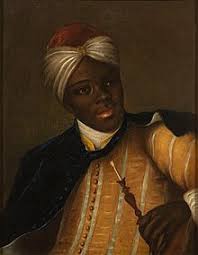
In this installment, We talk about a true African “Renaissance Man” His name was Angelo Soliman (ca. 1721-1796), and he was was an African-born Austrian Freemason and courtier, who in his lifetime achieved prominence in Viennese society and Freemasonry.

Angelo Soliman’s journey from sub-Saharan Africa to Europe is a remarkable tale that reveals his resilience and adaptability in the face of adversity. His experiences as a trusted advisor and chamberlain for Austrian nobility offer a glimpse into the opportunities available to individuals of diverse backgrounds during the 18th century. Soliman’s intellectual curiosity and social connections allowed him to move in enlightened circles, engaging with prominent figures such as Wolfgang Amadeus Mozart, Joseph Haydn, and Emperor Joseph II. His contributions as a Freemason, including the re-shaping of Freemasonry across Europe, demonstrate his influential role in shaping cultural and intellectual movements of his time. The legacy of Angelo Soliman transcends geographical and cultural boundaries, serving as an inspiration for future generations seeking to overcome barriers and make enduring contributions to society.
Soliman was an extraordinary individual who left a lasting impact on Vienna. His presence not only captivated the locals, as evidenced by the exhibition dedicated to him at the Vienna Museum, but also contributed to the cultural tapestry of the city. His striking portrait, showcasing him adorned in an opulent fur-lined coat and a majestic turban against the backdrop of an enchanting Egyptian landscape, is a testament to his multifaceted persona. The depiction of a regal ancestry and the comparison to Jugurtha, a revered North African king who defiantly opposed the might of Rome in the ancient era, added an aura of grandeur to Soliman’s legacy, solidifying his status as a figure of distinction and reverence in Vienna. Through his enigmatic presence, Soliman was able to bestow an air of prestige upon his Prince, creating a lasting impact that resonated through the corridors of time.
But as much as Soliman’s life reflects the possibility of Black people integrating into European society, what happened to him after his death also reflects a shift to a new age of racialized degradation as Black bodies became objects of a spectacular gaze wrapped up in scientific pretensions. Over the energetic objections of Soliman’s daughter Josephine, Emperor Francis II took possession of his corpse and had it stuffed and dressed as a “savage” with ostrich feathers and shells. The body was then displayed along with two other Africans and exotic animals in his cabinet of curiosities, where it remained until the building was burned down in the 1848 revolution. This desecration of Soliman’s remains symbolizes the dehumanization and objectification faced by Black individuals during this period, perpetuating the disturbing trend of exploiting their bodies for the curiosity and entertainment of the European elite. The grotesque display of Soliman’s body underscores the deeply ingrained prejudices and inhuman treatment endured by Black people, serving as a stark reminder of the systemic racism and devaluation of their humanity that persisted in the annals of history.
 Jogo Corpo Fechado