
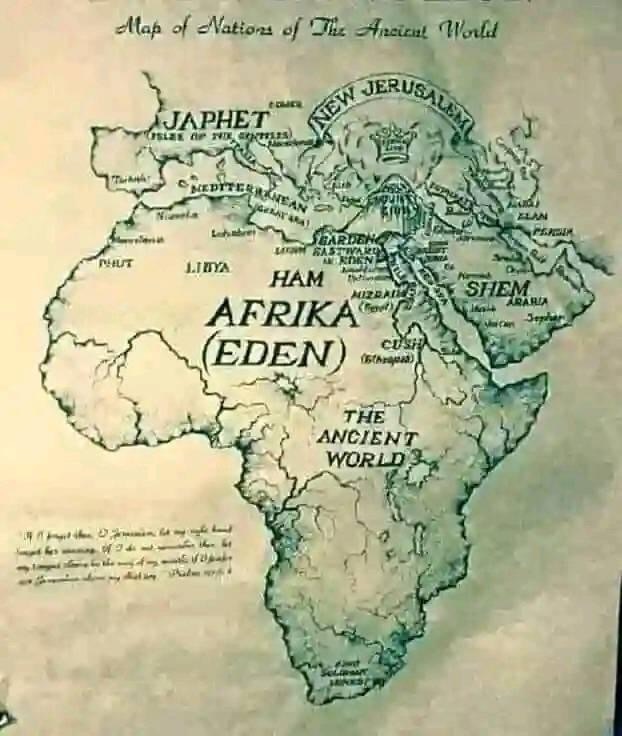
The word ‘Africa’ came into existence in the late 17th century, when European explorers and colonizers began to extensively map and document the various regions of the continent. Initially, it only referred to the northern part of the continent, but over time, as exploration and trade expanded, the name came to encompass the entire landmass. The colonization of Africa during this period had a profound impact on its history and culture, as the Europeans imposed their rule and exploited the continent’s resources and people. This era also marked the transatlantic slave trade, during which millions of Africans were forcibly taken from their homeland and transported to other continents as slaves. The influence of European powers led to a significant shift in identity, with the indigenous name Alkebulan being replaced by the current term ‘Africa’. The complex and tumultuous history of the continent during this period continues to shape its present-day society and global relationships.
So, what was the original name of africa?
Ancient names of Africa
Before the European settled for the word Africa, the continent was called many other names. They include Corphye, Ortigia,Libya, and Ethiopia, Alkebulan
Other names such as the land of Ham (Ham means dark skins), mother of mankind, the garden of Eden, Kingdoms in the sky, and the land of cush or kesh (referring to the Cushites who were ancient Ethiopian) were used. No one knows the source of the names for sure, and the mystery surrounding the origins of these names adds to the intrigue of the continent. However, the theories below shed some light on how this second largest continent got its new name. Some theories propose that the name “Africa” may have its roots in the ancient Phoenician language, while others suggest it could be derived from the Greek word “aphrike,” meaning without cold. Another theory links it to the Latin word “aprica,” meaning sunny. These diverse theories reflect the complex and diverse history of the continent, leaving plenty of room for continued research and exploration.
Roman theory
Some scholars believe that the word “Africa” originated from the Romans. According to this theory, Romans discovered a land opposite the Mediterranean and named it after the Berber tribe residing within the Carthage area, presently referred to as Tunisia. The tribe’s name was Afri. This ancient etymological link between the name “Africa” and the Afri tribe has sparked extensive debate among historians and linguists. While some support this theory, others propose alternative origins for the term “Africa,” underscoring the complex and multifaceted history of the continent and its name. Regardless of its precise origins, the name “Africa” carries with it a rich tapestry of cultural, historical, and geographical significance, embodying the diversity and resilience of the people and landscapes that have shaped this vast and captivating continent.
Weather theory
Some scholars argue that the name Africa might also have connections to the ancient Egyptian word “af-rui-ka,” meaning “to turn toward the opening of the Ka,” the ancient Egyptian spiritual concept regarding the soul’s journey. This interpretation suggests that Africa could mean “the land of the soul’s journey.” Additionally, the term “aphrike” could be linked to the ancient Berber word “ifri,” referring to caves or caverns, which were significant in the North African landscape. This multifaceted origin of the name Africa underlines the diverse cultural and historical influences that have shaped the continent over millennia.
Africus Theory
This claim suggests that the continent derived its name from Africus, a Yemenite chieftain who, according to some accounts, led an invasion of the northern region during the second millennium BC. Some historical sources argue that after his successful conquest, Africus settled in the newly acquired territory and bestowed upon it the name Afrikyah. This narrative has sparked debates among scholars, with some advocating for alternative theories regarding the origin of the continent’s name. Despite the lack of consensus, the story of Africus and the naming of Afrikyah continues to be a subject of interest and inquiry in the study of African history and etymology.
Phoenician Theory
Another school of thought suggests that the name “Africa” is derived from two Phoenician words: friqi and pharika. The words are believed to mean corns and fruits when translated. Hypothetically, the Phoenician traders and explorers christened the continent as the land of corns and fruits due to the rich agricultural resources they encountered during their travels. This theory is fascinating because it provides a glimpse into the ancient origins of the name and the possible perceptions of the continent by early visitors. It offers a unique perspective on the historical interaction between different cultures and the way in which geographical features and resources were perceived and interpreted in ancient times.
Alkebu-lan, often regarded as the “mother of mankind” or “garden of Eden,” holds significant historical and cultural importance. This ancient term, of indigenous origin, carries with it a rich heritage that dates back to the ancient civilizations of Africa. It was revered and used by various ancient societies including the Moors, Nubians, Numidians, Khart-Haddans (Carthagenians), and Ethiopians, each imparting their own distinct meaning and reverence to the word. Over the centuries, the concept of Alkebu-lan has evolved, intertwining with the beliefs, traditions, and storytelling of diverse African peoples, contributing to its multifaceted significance in the continent’s history.
There is little or no certainty on the source or meaning Africa. Several scholars have tried to explain the origin of the word, but none is convincingly correct.
 Jogo Corpo Fechado