Welcome to TODAY IN BLACK MEDIA, the go-to source for news, cultural events, and thought-provoking discussions from an African perspective. Our platform is dedicated to shedding light on the rich tapestry of black experiences, amplifying diverse voices, and celebrating the achievements of the black community worldwide. Join us as we explore the latest developments, delve into thought-provoking analyses, and showcase the vibrant cultural manifestations that shape our collective identity. Whether you’re passionate about current affairs, arts and entertainment, or social justice issues, you’ll find compelling content that resonates with you. Together, let’s embark on a journey of enlightenment, empowerment, and inspiration through the lens of black media.
In this installment…
+
Socialite Dayane Alcântara, known for her lavish lifestyle and social media presence, has been a prominent figure in both Brazilian and American high society, frequently attending exclusive events and gatherings. Her recent sentencing to nearly nine years in prison by a federal judge in Rio de Janeiro has sent shockwaves through the social circles she once frequented, with many expressing disbelief and concern for her well-being. The case has not only captured the attention of the public but has also reignited discussions about racial discrimination and hate speech in Brazil, sparking widespread outrage and calls for justice. The ramifications of this high-profile case are likely to reverberate beyond the confines of the courtroom, influencing social dynamics and conversations on a national scale.
The incident involving the 4-year-old daughter of a popular Brazilian couple has sparked significant controversy and prompted heated debates on social media platforms across the nation. This highly publicized event has drawn attention to the prevalence of racial slurs and discrimination in Brazilian society, shedding light on the deep-seated issues that continue to affect individuals on a daily basis. As the story gained international attention, it also shed light on the complexities of identity, privilege, and accountability in the context of a globalized world. It sparked discussions on the intersection of race, class, and power dynamics, emphasizing the need for greater understanding and empathy. The sentencing of Dayane Alcântara, the perpetrator of the racial slur, serves as a stark reminder of the urgent need for ongoing efforts to address and combat racial prejudice, both within Brazil and beyond. This case has sparked calls for systemic change and a reevaluation of societal attitudes towards race and ethnicity, highlighting the crucial importance of education and advocacy in fostering a more inclusive and equitable society.
Welcome to MALICIA AS A GAME OF POWER. This blog series aims to delve deep into the realm of Strategy. Throughout the series, we will explore various aspects of dealing with certain people, offering insights on effective communication, conflict resolution, and building meaningful connections. Additionally, we will provide valuable tips on avoiding scammers, protecting oneself from online fraud, and maintaining a secure online presence.
Navigating this world that we live in can be challenging, and in this series, we will share practical guidance on making informed decisions, embracing opportunities, and overcoming obstacles on the path to success. Whether it’s understanding the nuances of negotiation, learning to identify manipulation, or honing your leadership skills, this series will equip you with the knowledge and tools to thrive in the complex landscape of interpersonal dynamics and strategic decision-making. We will also delve into the intricacies of personal branding, self-presentation, and managing one’s online reputation, empowering you to craft a compelling personal and professional image in today’s interconnected digital world. Join us on this insightful journey as we unravel the complexities of power dynamics and strategic maneuvering, arming you with the expertise to navigate the intricate web of relationships and opportunities, and emerge victorious in your pursuits.
In this installment, We will explore the 7th law of power in the book, the 48 laws of power by Robert Greene. You can but a copy by clicking HERE.
The seventh law (law 7) of the 48 Laws of Power is: Let others do the work for you, but always take credit.
Ethical variant of the law: Empower people to do work that helps both of you, and you will never need to take the credit
Let others do the work for you, but always take credit. Empower people to do work that helps both of you, and you will never need to take the credit. But should you really never take credit then if it is so wrong? What if other people do that to you? Expanding on this, it’s important to recognize that giving credit where it’s due fosters a culture of appreciation and collaboration. When individuals are acknowledged for their contributions, it motivates them to continue to excel and contribute positively to the team. Moreover, when credit is given appropriately, it builds trust and respect within the group, leading to enhanced camaraderie and a more productive working environment. By openly acknowledging the efforts and achievements of others, a positive cycle of recognition and collaboration is created, ultimately benefiting the entire team. Therefore, encourage a culture of giving credit and appreciation to cultivate a more supportive and harmonious work environment for everyone involved.
By acknowledging the contributions of others, you not only show respect for their efforts but also inspire a sense of ownership and motivation within the team. Recognizing and appreciating the diverse skills and expertise of team members can foster a collaborative environment where everyone feels valued and empowered. However, it’s also crucial to assert your own achievements when the situation calls for it, especially in professional contexts. Communicating your own successes can help others understand your capabilities and strengths, contributing to a more well-rounded and effective team dynamic. Balancing the recognition of others with the acknowledgment of your own contributions is a skill that can lead to a harmonious and productive work environment, promoting a culture of mutual support and growth.
This law advocates for a strategic approach to efficiency and reputation building. The core principle is to conserve one’s own energy and resources by skillfully leveraging the talents, labor, and intellect of others. By doing so, an individual can amplify their output and maintain a public image of effortless competence and prodigious capability. The ultimate goal is to stand at the pinnacle of achievement, having orchestrated success through the efforts of subordinates, partners, or even rivals, while ensuring all public recognition and reward accrue solely to oneself. This not only builds a powerful legacy but also positions the individual as indispensable and uniquely brilliant.
—–Through the Eyes of an Angoleiro
For an Angoleiro—a practitioner of Capoeira Angola, the traditional, more ritualistic form of the Afro-Brazilian martial art—this law takes on a nuanced, though still intensely strategic, interpretation, transforming the concept of “taking credit” into one of mastery through synthesis and delegation within the roda (the circle where Capoeira is played).
1. The Mastery of Synthesis, Not Plagiarism
In the Capoeira Angola roda, the “work” is the cumulative knowledge and skill passed down through generations: the toques (rhythms) of the berimbau, the cantigas (songs), the philosophy, and the complex jogo (game) itself.
The Angoleiro’s “Work”: The true master Angoleiro does not plagiarize the movements of their peers or forebears but synthesizes them. They absorb the entire history of the art—the cunning of Mestre Pastinha, the agility of Mestre Bimba, the deceptive malice of a fellow player in the moment—and distill it into a personal, unique style.
Taking the “Credit”: The “credit” the Angoleiro takes is not for a single, copied rasteira (sweep), but for the unpredictable brilliance of their game. When an opponent is skillfully countered, the credit goes not to the source of the original movement, but to the Angoleiro’s intelligence in choosing, timing, and executing the perfect response, making the opponent’s previous effort look like a setup for the current counter. The roda recognizes the ingenuity of the synthesis, not the origin of the components.
2. Delegating the Energy: The Role of the Bateria
In a Capoeira Angola roda, the instruments (bateria) and the singers are essential “workers” who create the environment for the game, effectively doing the “work” of setting the pace and mood.
Delegating the Rhythm and Spirit: The lead berimbau player, often a high-ranking student or a Mestre, sets the toque that dictates the speed, mood, and danger level of the jogo. By expertly setting a hypnotic, low, and deceptive rhythm (like Angola or São Bento Pequeno), the lead player “gets the others to do the work.” The players are forced to adapt their game to the established tempo; the tension, the flow, and the philosophy are all “worked” into the circle by the instruments.
The Mestre Taking the Credit (The Control): The Mestre or the lead instrumentalist, though physically seated, controls the entire energy output of the circle. When the roda achieves a state of profound engagement (axé), the recognition for that powerful, cohesive energy belongs to the individual who controlled the central rhythm and song. They successfully delegated the emotional and physical intensity to the entire collective while remaining the conductor of the experience.
3. Exploiting the Opponent’s Momentum (The Ultimate Delegation)
In the actual jogo, the Angoleiro can literally get the opponent to do the work.
Using Force Against Force: A smaller, wiser Angoleiro will allow a larger, stronger opponent to commit to a powerful, high-energy attack (the “work”). Instead of meeting force with equal force, the master uses minimal effort, relying on timing and leverage (mandiga), to redirect the opponent’s already committed momentum into a devastating sweep or takedown.
The Angoleiro’s Triumph: The opponent expended 90% of the energy; the Angoleiro expended 10%. The applause and respect (the “credit”) are not for the brute force of the attack, but for the economy of motion and the brilliance of the counter that turned the opponent’s strength into their own downfall. In this moment, the opponent did the “work” of setting up the Angoleiro’s final, credit-claiming move.
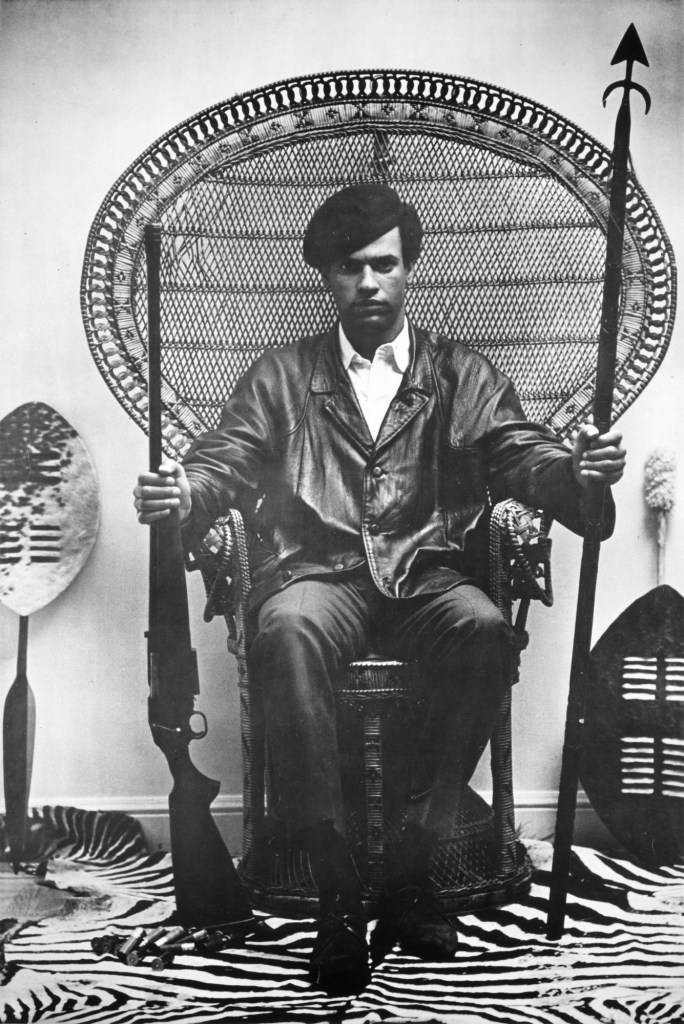
Huey Percy Newton (February 17, 1942 – August 22, 1989) was an African American revolutionary and political activist who founded the Black Panther Party. He ran the party as its first leader and crafted its ten-point manifesto with Bobby Seale in 1966. Under Newton’s leadership, the Black Panther Party founded over 60 community support programs (renamed survival programs in 1971) including food banks, medical clinics, sickle cell anemia tests, prison busing for families of inmates, legal advice seminars, clothing banks, housing cooperatives, and their own ambulance service. The most famous of these programs was the Free Breakfast for Children program which fed thousands of impoverished children daily during the early 1970s. Newton also co-founded the Black Panther newspaper service, which became one of America’s most widely distributed African-American newspapers. In 1967, he was involved in a shootout which led to the death of police officer John Frey and injuries to himself and another police officer. In 1968, he was convicted of voluntary manslaughter for Frey’s death and sentenced to 2 to 15 years in prison. In May 1970, the conviction was reversed and after two subsequent trials ended in hung juries, the charges were dropped. Later in life, he was also accused of murdering Kathleen Smith and Betty Van Patter, although he was never convicted for either death.
Newton’s deep engagement with Plato’s Republic during his formative years not only honed his reading skills but also sowed the seeds for his future philosophical outlook. This seminal work by Plato instilled in Newton a profound sense of social responsibility and a commitment to effecting positive change in the world. Building upon these early influences, Newton pursued a doctoral degree in social philosophy at the University of California, Santa Cruz, graduating from the esteemed History of Consciousness program in 1980. This rigorous academic journey further shaped his perspective on activism and social transformation, laying a solid foundation for his future endeavors in the field.
In 1989, he was murdered in Oakland, California by Tyrone Robinson, a member of the Black Guerrilla Family. His last words were,
“You can kill my body, and you can take my life, but you can never kill my soul. My soul will live forever!”
Newton’s advocacy for the right of self-defense was a fundamental aspect of his leadership within the Black Panther Party. His commitment to empowering marginalized communities through self-protection and social justice resonated with many, shaping the party’s mission and outreach. Moreover, his efforts to welcome and involve women in the party’s activities marked a pivotal shift in the narrative of gender equality within the civil rights movement. Newton recognized the invaluable contributions of women and actively promoted their involvement in various initiatives, paving the way for a more inclusive and diverse movement.
The majority of police in the world are good men and women who serve their communities with honor and dignity. Unfortunately, there are bad police officers who abuse the law and hurt their communities. Multiple factors contribute to the differences among law enforcement officers, and it is crucial to address those factors to ensure the safety and well-being of all individuals within society.
These are their stories.
In today’s installment…
Former-officer John Giga’s troubled history within the police force included a string of reprimands and suspensions, leading many to question the effectiveness of the department’s disciplinary measures. However, it was a shocking incident last year that truly brought his misconduct to light. During a racially charged encounter with a group of black men, tensions escalated to a point where Giga’s actions were called into question not only by the community but also by his fellow officers. This event sparked a wave of public outcry and reignited the ongoing debate on the need for police reform. As details of the incident emerged, it became clear that this was not an isolated case, but rather a manifestation of deeper issues within the department that had been overlooked for far too long. The spotlight turned towards the department’s leadership, prompting demands for transparency and accountability in the handling of internal affairs.
Giga’s vitriolic and abusive tirade was met with shock and dismay from the onlookers, as the situation escalated into a tense and confrontational standoff. The aggressive and belligerent behavior on display not only highlighted the shortcomings of the local police department in addressing officer misconduct, but also laid bare the deep-seated issues of police brutality and systemic racism within the community. The troubling incident sparked a wave of outrage and calls for accountability, with many voicing their frustration at the lack of meaningful action taken by the authorities to address these pervasive problems. As tensions continued to mount, a growing number of citizens expressed their determination to no longer tolerate such egregious behavior and vowed to take a more active role in demanding justice and reform.
The aftermath of this incident created a rift within the community, leading to widespread public discourse and internal division. It cast a long shadow over the reputation of the entire police force, sparking intense scrutiny and calls for reform. In the wake of Giga’s actions, questions arose about the accountability and training of law enforcement officers, prompting a deep reevaluation of existing protocols and standards. The repercussions continue to resonate, serving as a stark reminder of the importance of vigilance and integrity within law enforcement, and igniting a nationwide conversation about the relationship between the police and the communities they serve.
Shoutout to the Professor for shedding light on these shocking and heinous crimes committed by individuals who were trusted to serve and protect the public. By bringing attention to these troubling issues, the Professor is empowering us to be better informed and to demand accountability. It’s crucial to support content creators like him who strive to uncover the truth and foster awareness. If you want to explore more insightful content, make sure to visit his YouTube channel by clicking HERE.
If there’s any genre that has diamonds built into its very DNA, it’s hip-hop. Since the days of thick gold rope chains and Slick Rick’s early displays of decadence through to the logic-defying creations that Ghostface used to sport and the dawn of the bling era, transferring those record sales into record-setting jewelry purchases is nothing new in the game. In truth, it’s become such an accepted part of the culture that even before an MC has truly accomplished anything, the lure of the diamond district can be too strong to resist. The intertwining of hip-hop and luxurious jewelry has become a defining characteristic of the genre, establishing a visual representation of success and opulence. From the iconic medallions of the 80s to the contemporary trend of customized grills and oversized pendant necklaces, hip-hop’s relationship with jewelry continues to evolve, shaping and reflecting the aspirations and achievements of its artists. The allure of the diamond district has extended beyond individual artists, influencing the fashion and aesthetic of the hip-hop community as a whole, further embedding a fascination with lavish accessories and conspicuous displays of wealth within the ethos of the genre.
The evolution of hip-hop style has been intrinsically linked with the rise of extravagant jewelry as a status symbol, with artists using their personal collections to express individuality, success, and the values of their community. This intersection of music and material wealth has permeated the genre, ingraining the concept of conspicuous consumption within its very fabric. From iconic chains to custom pendants, the influence of hip-hop on the jewelry industry has been profound, reshaping the definitions of luxury and opulence in the process. Delving deeper into the influence of hip-hop culture on jewelry, one can observe a fusion of creativity and symbolism, with each piece telling a unique story that resonates with the artist’s journey and the experiences of their community. Furthermore, the embrace of jewelry as a form of artistic expression has transcended traditional boundaries, with innovative designs and collaborations blurring the lines between fashion, art, and music. As hip-hop continues to evolve, so does its relationship with jewelry, reflecting the shifting societal and cultural dynamics that shape its identity, giving rise to new trends and styles that redefine the connection between music, fashion, and luxury.
Welcome to TODAY IN BLACK MEDIA, the go-to source for news, cultural events, and thought-provoking discussions from an African perspective. Our platform is dedicated to shedding light on the rich tapestry of black experiences, amplifying diverse voices, and celebrating the achievements of the black community worldwide. Join us as we explore the latest developments, delve into thought-provoking analyses, and showcase the vibrant cultural manifestations that shape our collective identity. Whether you’re passionate about current affairs, arts and entertainment, or social justice issues, you’ll find compelling content that resonates with you. Together, let’s embark on a journey of enlightenment, empowerment, and inspiration through the lens of black media.
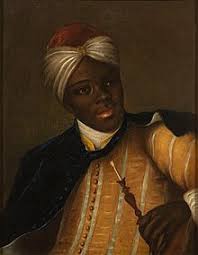
In this installment, We talk about a true African “Renaissance Man” His name was Angelo Soliman (ca. 1721-1796), and he was was an African-born Austrian Freemason and courtier, who in his lifetime achieved prominence in Viennese society and Freemasonry.
Angelo Soliman’s journey from sub-Saharan Africa to Europe is a remarkable tale that reveals his resilience and adaptability in the face of adversity. His experiences as a trusted advisor and chamberlain for Austrian nobility offer a glimpse into the opportunities available to individuals of diverse backgrounds during the 18th century. Soliman’s intellectual curiosity and social connections allowed him to move in enlightened circles, engaging with prominent figures such as Wolfgang Amadeus Mozart, Joseph Haydn, and Emperor Joseph II. His contributions as a Freemason, including the re-shaping of Freemasonry across Europe, demonstrate his influential role in shaping cultural and intellectual movements of his time. The legacy of Angelo Soliman transcends geographical and cultural boundaries, serving as an inspiration for future generations seeking to overcome barriers and make enduring contributions to society.
Soliman was an extraordinary individual who left a lasting impact on Vienna. His presence not only captivated the locals, as evidenced by the exhibition dedicated to him at the Vienna Museum, but also contributed to the cultural tapestry of the city. His striking portrait, showcasing him adorned in an opulent fur-lined coat and a majestic turban against the backdrop of an enchanting Egyptian landscape, is a testament to his multifaceted persona. The depiction of a regal ancestry and the comparison to Jugurtha, a revered North African king who defiantly opposed the might of Rome in the ancient era, added an aura of grandeur to Soliman’s legacy, solidifying his status as a figure of distinction and reverence in Vienna. Through his enigmatic presence, Soliman was able to bestow an air of prestige upon his Prince, creating a lasting impact that resonated through the corridors of time.
But as much as Soliman’s life reflects the possibility of Black people integrating into European society, what happened to him after his death also reflects a shift to a new age of racialized degradation as Black bodies became objects of a spectacular gaze wrapped up in scientific pretensions. Over the energetic objections of Soliman’s daughter Josephine, Emperor Francis II took possession of his corpse and had it stuffed and dressed as a “savage” with ostrich feathers and shells. The body was then displayed along with two other Africans and exotic animals in his cabinet of curiosities, where it remained until the building was burned down in the 1848 revolution. This desecration of Soliman’s remains symbolizes the dehumanization and objectification faced by Black individuals during this period, perpetuating the disturbing trend of exploiting their bodies for the curiosity and entertainment of the European elite. The grotesque display of Soliman’s body underscores the deeply ingrained prejudices and inhuman treatment endured by Black people, serving as a stark reminder of the systemic racism and devaluation of their humanity that persisted in the annals of history.
Sam Bankman-Fried, the greatest scammer of all time, is a provocative statement that has sparked much debate in the financial world. While some view him as a controversial figure due to his unorthodox business strategies, others see him as a visionary entrepreneur who has revolutionized the cryptocurrency and trading landscape.
His journey from a relatively unknown figure to a prominent player in the financial industry is filled with fascinating twists and turns. His innovative approach to trading and risk management has not only captured attention but also raised questions about the traditional norms and practices in the financial sector. As he continues to make headlines and drive discussions, Sam Bankman-Fried remains a captivating and polarizing figure, leaving a lasting impact on the industry he operates in.
Bankman-Fried’s journey to success is a remarkable tale that captivates many within the financial and technological spheres. His innovative strategies and fearless approach to business have propelled FTX to the forefront of the cryptocurrency exchange market, solidifying his status as a visionary entrepreneur. However, this ascent to greatness has not been without its fair share of controversies and debates. The unconventional nature of his philanthropic endeavors, coupled with his commitment to the principles of effective altruism, has sparked discussions about the role of wealth and responsibility in today’s society. This multifaceted persona has only increased the fascination surrounding Bankman-Fried, as the public seeks to comprehend the intricacies of his impact on the industry and beyond. While some celebrate his contributions and foresight, others approach with a cautious lens, prompting a spectrum of viewpoints that attest to the complexity of his influence. Regardless of one’s stance, it is undeniable that Bankman-Fried has etched a lasting imprint on the cryptocurrency landscape, shaping its trajectory and inviting contemplation about the future of finance and innovation.
On a Facebook group, I got a response to a BLOG that I posted there by a man named Ajani Winston. I’ve been watching him and his Martial Journey for a few years now, and His insightful comment shed light on key aspects that I was eager to bring into focus in another POST.
Here’s what he wrote.
Ajani Winston
“great post and I can see that took a lot of time, consideration, and research. I think it all depends on what the individual desires in their practice and what their Mestres have to give. I came from other arts where there was heavy sparing before coming into Capoeira Angola. Then after some time in capoeira I began to experiment with sparing other martial artists and instructors using the skills I learned. I had time to experiment with mma fighters and retired pros, bjj practitioners, boxers, karate, and kung fu practitioners and instructors. I found that the skills obtained by our play was enough to prepare me for all of the other styles. But, the same couldn’t be said for the other arts. Other martial artists aren’t comfortable or equipped dealing with the unknown. Boxers hate kicks, kickers hate being grabbed, grapplers are helpless against punches. Light sparing is always the best. Hard sparing only builds injuries, but it doesn’t build skill.
So my recommendations. Study everything you are curious about, but make sure it complements your goals. I trained at a local MMA school, and enjoyed the bjj, gi and no gi. The striking was basic as hell, and I ran clinics in people on sparing days (but I kept my capoeira hidden). But, I found that their methodologies only made me stiff and decreased my agility to the point where Role’s were near impossible. So I stopped. I did a savate workshop and really enjoyed it. I think it’s a great complement to capoeira. There is a bit of rhythm and timing to it and can fill in the blank for people less confident in their upright fighting game. But, learning to box will build a habit of being less reliant on escaping, which is a mistake and will take away from your best attributes in a fight. So take care when studying other arts. I’m currently learning Balintawak (look it up if you haven’t seen it), it’s a great style to develop stick, knife, and hand traps.“
First of all, in case you don’t know what Balintawak is, check it out.
Okay, now back to stepping out of the box.
As I “typed” before, Ajani’s above comment highlights something that I don’t think gets talked about enough.
As Martial Artists, we dedicate ourselves to continuous training, honing our skills over many years to gain proficiency in our chosen art. However, such dedication can inadvertently lead us to confine ourselves within the boundaries of our existing knowledge, becoming too comfortable in our skillset and reluctant to venture beyond it. Stepping outside our comfort zone is essential for personal growth and mastery. Embracing new techniques and exploring different martial arts styles can open up a world of possibilities, offering fresh perspectives that enrich our practice. Through this journey of exploration, we not only enhance our physical abilities but also deepen our understanding of diverse philosophies and approaches. By broadening our horizons, we elevate our overall martial arts experience, embracing the richness of the martial arts world.
And for a Martial Artist, this is very important. So, how do we break free of this stagnation? WE DO IT BY stepping out of the box! Learn whatever you’re interested in, as long as it compliments your long-term goals, whether it’s Self-Defense, or to be a champion kickboxer, or whatever your goals may be. Do some friendly sparring with people from other arts, exchange techniques, and broaden your knowledge base. Additionally, consider exploring different training methods, such as cross-training in disciplines like Brazilian Jiu-Jitsu, Muay Thai, or Taekwondo. In addition to these activities, it’s beneficial to attend workshops and seminars led by experienced martial artists to gain new perspectives and insights. Another way to break free from stagnation is to set specific short-term objectives and track your progress to keep your training dynamic and focused. Engaging with a community of martial artists, either in person or online, can provide valuable support, motivation, and opportunities to share experiences. Seeking out mentorship and guidance from seasoned practitioners can also offer fresh perspectives and refine your skills. By continually seeking new challenges and experiences, a martial artist can transcend limitations and evolve to reach their full potential.
If you consistently apply yourself to the practice, you will undoubtedly achieve positive results. Take, for instance, the case of Ajani as depicted in the videos. Despite performing Textbook Capoeira Angola in both instances, he demonstrates remarkable adaptability to varying circumstances, a skill that eludes many martial artists. This, however, should serve as the ultimate aspiration for every practitioner of martial arts. The ultimate goal should be the seamless and proficient application of one’s art in any given situation, irrespective of its nature.
Martial artists must cultivate not just physical skills, but also mental and emotional resilience, enabling them to respond calmly and skillfully to unexpected challenges. This adaptability and versatility are essential for an effective martial artist, as it allows them to apply their techniques in dynamic and unscripted scenarios, making the art come alive in real-world situations. With training and dedication, martial artists can develop the ability to fluidly transition between different styles and techniques, harnessing the full potential of their art in diverse and ever-changing environments.
This exposure will not only enhance your skills but also open up new perspectives and approaches that can benefit your overall martial arts journey. Remember, the key to growth and evolution in martial arts lies in embracing diversity and continuously seeking new challenges. Exploring different styles and techniques, as well as learning from practitioners with diverse backgrounds, can enrich your understanding of martial arts. Additionally, immersing yourself in various training environments and testing yourself against different opponents will help you develop a well-rounded skill set. Embracing versatility and being open to unconventional methods can greatly contribute to your progress and proficiency in martial arts.
Welcome to MALICIA AS A GAME OF POWER. This blog series aims to delve deep into the realm of Strategy. Throughout the series, we will explore various aspects of dealing with certain people, offering insights on effective communication, conflict resolution, and building meaningful connections. Additionally, we will provide valuable tips on avoiding scammers, protecting oneself from online fraud, and maintaining a secure online presence.
Navigating this world that we live in can be challenging, and in this series, we will share practical guidance on making informed decisions, embracing opportunities, and overcoming obstacles on the path to success. Whether it’s understanding the nuances of negotiation, learning to identify manipulation, or honing your leadership skills, this series will equip you with the knowledge and tools to thrive in the complex landscape of interpersonal dynamics and strategic decision-making. We will also delve into the intricacies of personal branding, self-presentation, and managing one’s online reputation, empowering you to craft a compelling personal and professional image in today’s interconnected digital world. Join us on this insightful journey as we unravel the complexities of power dynamics and strategic maneuvering, arming you with the expertise to navigate the intricate web of relationships and opportunities, and emerge victorious in your pursuits.
In this installment, We will explore Part 2 of the 6th law of power in the book, the 48 laws of power by Robert Greene. You can but a copy by clicking HERE.
The sixth law (law 6) of the 48 Laws of Power is: Court attention at all cost. Ethical variant of the law: Attract the right kind of attention by providing value in any situation.
Tommy Shelby’s mastery of body language is evident in every calculated move he makes. His ability to convey power, control, and vulnerability through nonverbal cues sets him apart as a compelling character. Similarly, General Hannibal’s strategic prowess on the battlefield is legendary, earning him a reputation as a master of warfare and tactics. In the upcoming video, we will delve deeper into their application of Law 6: Court Attention At All Cost, analyzing the impact of their actions and the implications of this principle. It’s crucial to approach the use of this law with caution, as it harbors a dark reversal, a facet we will thoroughly explore in the video.
The narrative of Tommy Shelby from Peaky Blinders serves as a powerful example of how one can orchestrate attention to achieve specific goals. For instance, his deliberate portrayal of vulnerability and lack of control to his family and the public illustrates the intricate ways in which he manipulates attention to his advantage. This artful manipulation results in the creation of a Compelling Spectacle (as defined in Law 37), sparking widespread interest and discussion.
When you choose to stand out, and if you opt to wield this law thoughtfully, you have the potential to become an anomaly in the lives of those around you. Tommy’s deliberate display of vulnerability to his family and the crowd raises an intriguing question that I aim to address in the upcoming video. What does it truly mean to be a leader? While many aspire to embody powerful characteristics and master the body language of leaders, it’s essential to understand the dynamics of followership and vulnerability. This paradox lies at the heart of effective leadership, and unraveling its significance is a pivotal lesson we will explore.
So, how do we use this law ethically? Attract the right kind of attention by providing value in any situation. This can be achieved by consistently offering useful and relevant information, demonstrating expertise, and being genuinely helpful to others. It’s about building a positive reputation through actions that benefit others and contribute to the greater good. By focusing on ethical practices and emphasizing the importance of integrity, trust, and transparency, individuals can leverage this law to create meaningful and lasting connections with others.
The Sixth Law of Power: An Angoleiro’s Perspective
The concept of power, often dissected and codified in various philosophical texts, takes on a unique and profoundly practical dimension when viewed through the lens of an Angoleiro—a practitioner of Capoeira Angola. Capoeira Angola, the traditional and more ritualistic form of the Afro-Brazilian martial art, is less about flash and spectacle and more about strategy, deception, subtle manipulation of the opponent, and the deep, enduring philosophy that underpins every movement and interaction in the roda (the circle where Capoeira is played).
In the context of the renowned “Laws of Power,” the Sixth Law, which often speaks to the necessity of cultivating an image, creating mystique, and guarding one’s reputation with vigilance, is not merely an abstract social strategy but a life-or-death dynamic internalized by the Angoleiro.
Creating Mystique and Guarding the Reputation:
For the Angoleiro, the mystique is not contrived; it is earned through mastery and self-control. The greatest players often move with an economy of motion, their true intentions masked by a calm, even playful demeanor. They embody the principle of “less is more.” Their power lies in the unknown—the opponent must constantly guess what move is coming, which is far more exhausting than defending a direct attack.
The Mask of Tranquility: A powerful Angoleiro enters the roda not with an aggressive snarl, but with a composed smile, a serene yet watchful gaze. This tranquility is a mask. It forces the opponent to question the true level of skill and commitment, projecting an aura of unflappable confidence that can intimidate and unnerve.
The Power of the Unseen: The Angoleiro understands that a move shown is a move anticipated. The truest expressions of power are held in reserve. A master does not display their entire arsenal in the opening minutes. Instead, they drop subtle clues—a perfectly timed rasteira (sweep), an unexpected defensive counter (esquiva). This measured display builds a reputation of depth, suggesting that the well of their skill is far deeper than what is visible, forcing caution and respect from all who watch and play.
The Oral Tradition and Reputation: In the world of Capoeira, reputation precedes the player. The stories told about a master’s jogo (game) and their composure are as potent as their physical skills. An Angoleiro’s reputation must be meticulously guarded, not through boastfulness, but through consistent demonstration of skill, respect (respeito), and cunning (mandinga). A lapse in discipline or a public display of frustration can instantly erode years of carefully built mystique. The goal is to be spoken of in hushed, reverent tones—a player whose presence elevates the entire roda.
Ultimately, through the eyes of an Angoleiro, the Sixth Law of Power is about mastering the self so completely that one’s presence becomes a psychological weapon. It is the art of strategic withdrawal, the compelling allure of the unknown, and the unwavering control over one’s own narrative within the circle of life and combat.



 Jogo Corpo Fechado